Why Mobile Apps Are Critical for Customer Engagement and Loyalty
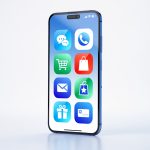
You likely check your phone dozens of times a day. That constant attention creates a unique opportunity for brands: a direct, personal channel to engage customers. Mobile apps have become one of the most effective tools for building deeper relationships, increasing repeat purchases, and turning casual buyers into loyal advocates. In this article I’ll explain why mobile apps matter for customer engagement and loyalty—and how to make them work for your business.
A direct, always-on connection to customers
Mobile apps put your brand in the pocket of the people who matter most. Unlike email or social posts that can get lost in crowded inboxes and feeds, an app offers immediate access: in-app content, push notifications, and personalized offers that land right on a user’s lock screen. That kind of presence helps you stay top of mind and shortens the path from awareness to action.
Push notifications are particularly powerful when used thoughtfully. Timely alerts about flash sales, cart reminders, or location-based deals can drive users back into the app and increase conversions. The key is relevance—short, actionable messages that match what a customer cares about will outperform generic blasts every time.
Personalization turns passive users into active customers
One of the biggest advantages of a mobile app is the data it captures. With consent, apps can record purchase history, browsing patterns, in-app behavior, and even location signals. Use those insights to personalize the experience: recommend products based on past purchases, surface content aligned with interests, or trigger offers when users are near a store.
Personalization not only improves conversion rates, it also builds emotional connection. When customers feel understood—when offers and content reflect their preferences—they’re more likely to return. Adding customization options, like notification preferences, visual themes, or saved layouts, gives users a sense of control that boosts engagement and retention.
Drive repeat business with rewards and incentives
Loyalty programs built into an app make it easy for customers to earn and track rewards. Whether you offer points for purchases, bonuses for referrals, or perks for frequent visits, an app-centralized loyalty program simplifies the experience and raises participation.
Exclusive in-app promotions and early access to new products create a feeling of VIP treatment. Combine that with surprise “delight” moments—random bonus points, limited-time promo codes, or small gifts—and you foster positive associations that encourage repeat business. These incentives not only increase customer lifetime value (CLV) but also turn satisfied users into word-of-mouth advocates.
Improve service with real-time communication
Customers expect fast answers, and apps let you deliver them. Integrating live chat, chatbots for routine queries, robust FAQ sections, and status alerts creates a seamless support experience. Quick, helpful responses reduce friction and lower churn.
In addition, in-app feedback forms and ratings make it easy for customers to share opinions and report issues. Those real-time touchpoints are invaluable for fixing problems quickly and showing customers you listen—both essential for building trust and long-term loyalty.
Use analytics to continually optimize engagement
Mobile analytics are a treasure trove for marketers and product teams. Track retention rates, session length, screen flows, feature usage, and conversion funnels to understand how users interact with your app. This data highlights friction points—where users drop off—and opportunities to enhance the user experience.
Segment your audience and A/B test messaging, onboarding flows, and UI changes. Learn which push notifications drive responses, which offers convert best, and which loyalty incentives resonate with high-value customers. Over time, data-driven iterations will increase engagement, boost retention, and improve ROI.
Leverage location and context for timely relevance
Contextual signals—like geolocation, time of day, and device settings—allow you to deliver hyper-relevant experiences. For example, send a lunch-time offer to nearby customers, surface travel alerts when users are at the airport, or push a replenishment reminder based on past buying cycles. Context-aware messaging drives higher engagement because it meets customers where they are, both physically and mentally.
Design for frictionless experiences
The best apps remove barriers to action. Smooth onboarding, fast load times, intuitive navigation, and streamlined checkout processes all contribute to a positive user experience. Implement features like one-tap payments, saved preferences, and deep linking so users can jump directly to relevant content or campaigns.
Good onboarding is especially important. First impressions matter: a clear, simple tutorial that highlights value and permissions (push, location) will increase long-term retention. Likewise, consistent performance and regular updates that add value keep users engaged and prevent abandonment.
Integrate across channels for an omnichannel strategy
A mobile app should be part of a broader customer engagement ecosystem. Integrate app data with your CRM, email marketing, social channels, and in-store systems to create a consistent experience across touchpoints. Omnichannel campaigns—where app notifications complement emails and in-store promotions—deliver higher engagement because they recognize customers across environments and maintain coherent messaging.
Focus on privacy and trust
As apps collect personal data, transparency and ethical practices are non-negotiable. Make privacy policies clear, request permissions thoughtfully, and allow users to control what data they share. Respecting privacy builds trust, and trust is a cornerstone of loyalty. When customers feel safe, they’re more likely to adopt app features and share information that improves personalization.
Measure what matters: KPIs to track
To understand the business impact of your app, focus on key performance indicators like:
– Retention rate (short- and long-term)
– Daily/Monthly active users (DAU/MAU)
– Average session length and frequency
– Conversion rate and average order value
– Customer lifetime value (CLV)
– Churn rate and reasons for churn
– Net Promoter Score (NPS) and in-app feedback
Tracking these metrics lets you prioritize improvements and demonstrate ROI for mobile investments.
Practical tips to improve engagement and loyalty
– Personalize onboarding: Ask a few preference questions to tailor content from day one.
– Use segmented push notifications: Target messages to user behavior and lifecycle stages.
– Offer an in-app loyalty hub: Make it easy to view and redeem rewards.
– Test messaging frequency: Find the sweet spot that informs without annoying.
– Add social proof: Display reviews and user-generated content to build credibility.
– Reward advocacy: Incentivize referrals and social shares with in-app bonuses.
– Simplify payments: Support digital wallets and saved payment methods for faster checkouts.
Conclusion
Mobile apps are no longer a nice-to-have—they’re a strategic channel for meaningful customer engagement and sustained loyalty. By combining real-time communication, personalization, rewards, analytics, and a frictionless user experience, companies can create lasting relationships that drive repeat purchases and brand advocacy. Start with a clear mobile strategy, focus on user value, and iterate with analytics; when you do, your app becomes a competitive advantage that grows customer lifetime value and strengthens your brand.
If you don’t yet have an app, now is the time to act. If you do, audit its performance against the KPIs above and prioritize improvements that deliver tangible value to your users. Mobile engagement isn’t a single campaign—it’s an ongoing relationship. Invest in it, and your customers will reward you with their loyalty.