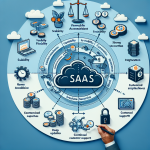


In today’s rapidly evolving digital landscape, Software as a Service (SaaS) solutions have emerged as crucial enablers for startups and mid-sized companies. The flexibility, scalability, and accessibility these solutions offer are indispensable for organizations seeking to innovate and remain competitive. However, with an overwhelming number of options available, choosing the right SaaS solution can be a daunting task, particularly for founders and CXOs who often have to balance immediate needs with long-term growth strategies. This article aims to guide you through the essential considerations and best practices to help you make an informed decision.
Understanding Your Business Needs
Before diving into the SaaS marketplace, it’s crucial to conduct a comprehensive assessment of your business needs. Here are some fundamental questions to help you clarify your requirements:
What Problems Are You Trying to Solve?
- Identify the specific challenges your organization faces. It could be anything from improving internal communication, managing customer relationships, or streamlining operations.
What Are Your Growth Objectives?
- Consider both short-term and long-term goals. A solution that addresses your current problems might not be equipped to scale as your business grows.
Who Will Be Using the Solution?
- Understand the needs and technical capabilities of the end users. Different teams may require different functionalities and user interfaces.
What Is Your Budget?
- Establish a clear budget that not only covers the cost of the software but also any potential training or conversion expenses.
By thoroughly understanding your business needs, you will be better equipped to evaluate the myriad of options available and select a solution that aligns with your organizational goals.
Researching SaaS Providers
Once you have a clear picture of your requirements, the next step is thorough research on potential SaaS providers. Consider the following factors:
1. Reputation and Reliability
- Customer Reviews and Testimonials: Look for user feedback and case studies on websites such as G2 or Capterra. Positive testimonials from similar industry players can build trust.
2. Scalability
- Future Growth: Ensure the SaaS provider can accommodate growth without requiring a complete overhaul of your systems. Ask how they can support your scaling needs in the coming years.
3. Integration Capabilities
- Most organizations already use various software systems. Verify that the SaaS solution can integrate smoothly with existing tools to avoid disruption.
4. Security and Compliance
- Given the increasing importance of data security, look for solutions that comply with industry regulations such as GDPR, HIPAA, or others relevant to your industry. Schedule a demo to understand their security framework.
5. Customer Support
- Evaluate the level of customer service offered. Are they available 24/7? How do they handle customer issues? Reliable customer support can significantly influence your overall experience.
Key Features to Look For
Depending on your business needs, here are some essential features to consider in a SaaS solution:
1. User-Friendly Interface
- A clean, intuitive interface reduces the learning curve and minimizes operational disruptions. User experience can directly affect employee productivity.
2. Customization Options
- Every business is unique. Opt for solutions that allow some level of customization to cater to your specific needs without requiring extensive development.
3. Performance Analytics
- Integrated analytics can provide insights into business performance and help make data-driven decisions. Ensure reporting features are robust and cater to your key metrics.
4. Mobile Accessibility
- In today’s workforce, the ability to access applications on the go is invaluable. Check that the SaaS solution is mobile-responsive or has a dedicated mobile app for key functionalities.
Conducting Demos and Trials
Once you have shortlisted a few SaaS solutions, the next step is to conduct comprehensive demos and trials. Here’s how to make the most of this step:
1. Engage Stakeholders
- Involve key team members from various functions to ensure that the solution caters to everyone’s needs. Collect feedback to address any concerns.
2. Use Real-World Scenarios
- During the demo, simulate real business scenarios to evaluate how well the software meets your requirements. This will help you understand how the software can solve your specific challenges.
3. Test Support Response Times
- Reach out to customer support during the trial period to gauge their responsiveness. A solution with excellent customer support can save you time and resources in the long run.
4. Evaluate the Learning Curve
- Pay attention to how quickly your team can adapt to the new solution. A solution that is easy to understand and implement can save you significant onboarding time.
Making the Decision
After running demos and trials, it’s time to make the final decision. Here are some final considerations:
1. Cost-Benefit Analysis
- Weigh the features against costs. Sometimes, opting for a more expensive solution may be worth it if it offers better scalability, security, and support.
2. Vendor Stability
- Research the financial stability and market position of the vendor. Choosing a stable company reduces the risk of abrupt service discontinuation.
3. Contract Terms
- Read the fine print carefully. Understanding the terms of service, exit strategies, and cancellation policies can save you from future headaches.
4. Plan for Implementation
- Once you have selected a SaaS solution, strategize your implementation plan. Setting clear timelines, resource allocation, and assigning responsibilities can streamline the onboarding process.
Post-Implementation Tips
Successfully choosing a SaaS solution is only the first step; effective implementation and continuous evaluation are equally important:
1. Training and Onboarding
- Invest in training for your employees. Familiarizing them with the new system can enhance productivity and reduce resistance to change.
2. Performance Monitoring
- Regularly assess how well the SaaS solution is meeting your business objectives. Use analytics and reporting features to get insights into usage and effectiveness.
3. Feedback Mechanism
- Establish channels for your team to provide feedback on the software. Continuous input can help identify areas for improvement.
4. Stay Updated
- SaaS solutions frequently update to include new features and security measures. Make it a point to stay updated and integrate new functionalities into your processes.
Conclusion
Choosing the right SaaS solution is an essential step that can significantly impact your company’s growth and operational efficiency. By carefully assessing your business needs, researching potential providers, and closely evaluating features, you can make a confident choice that aligns with your long-term objectives. Remember that effective implementation is just as important as selection; with the right strategy, your SaaS solution can become an invaluable asset in your business toolkit.
At Celestiq, we specialize in developing tailored SaaS solutions tailored to meet your specific business challenges. If you are considering custom software development or want to validate an idea with a Minimum Viable Product (MVP), don’t hesitate to explore our custom software development services and learn how we can assist you in elevating your business into the digital era with robust and scalable solutions.
By following the practices outlined above, you will not only select a SaaS solution that fits your needs but also set your business up for sustained growth and success.