
When embarking on a Software as a Service (SaaS) development project, choosing the appropriate development methodology is crucial. For founders and CXOs of startups and mid-sized companies, understanding the nuances of Agile and Waterfall methodologies can significantly impact the success of your project. At Celestiq, we specialize in custom software development and MVP development, and in this article, we’ll provide insights into how to select the right methodology for your needs.
Understanding SaaS Development
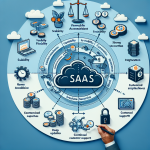
SaaS development involves creating software that is hosted in the cloud and accessible via the internet. Unlike traditional software deployment, which may involve installation on local servers or computers, SaaS solutions provide flexibility and ease of use. Recognizing the unique requirements and complexities involved, the chosen development methodology can either enhance or hinder your project’s success.
Overview of Development Methodologies
1. Agile Methodology
Agile development is a flexible and iterative approach that allows teams to adapt and respond to changes throughout the development lifecycle. Agile focuses on collaboration, customer feedback, and delivering functional software in smaller, incremental releases.
Key Characteristics:
- Iterative Process: Development occurs in “sprints” or cycles, where features are designed, developed, and tested.
- Frequent Releases: Allows for regular updates and refinements based on user feedback.
- Collaboration: Stakeholders—including developers, designers, and clients—work closely throughout the project.
- Responsive to Change: As market needs evolve, Agile can adapt quickly without significant roadblocks.
2. Waterfall Methodology
Waterfall methodology, on the other hand, is a linear and sequential approach. It involves completing one phase before moving on to the next, which can make it less flexible but highly structured.
Key Characteristics:
- Sequential Phases: The process is divided into distinct stages: requirement gathering, design, implementation, testing, deployment, and maintenance.
- Emphasis on Documentation: Each stage is well-documented, ensuring clarity throughout the project.
- Predictable Outcomes: The fixed structure can lead to easier project management and timelines.
- Less Adaptability: Changes later in the process can be challenging and costly.
Assessing Your Project Needs
Your choice between Agile and Waterfall should be dictated by various factors, including your project scope, team structure, and market dynamics. Let’s break these factors down for better clarity.
1. Project Complexity and Scope
Agile: If your project is particularly complex, involves constantly changing requirements, or is innovative in nature, Agile may be the best fit. For instance, a SaaS product targeting a fast-paced market such as fintech or health tech may require the flexibility to pivot based on regulatory updates or user demand.
Waterfall: Conversely, if you’re working on a straightforward project with clearly defined requirements—like an internal tool or a well-understood product—Waterfall can provide the structure necessary to meet those predefined goals effectively.
2. Team Structure and Size
Agile: Agile thrives in environments where there is cross-functional team collaboration. If you have a small, versatile team that can work interactively, Agile can lead to quicker iterations. The Agile approach can help your team keep pace with competitor changes, especially in dynamic markets.
Waterfall: If your team is larger and requires more hierarchical organization, Waterfall’s structured approach might be beneficial. It allows for clear roles and responsibilities, ensuring that every member understands their specific tasks at each stage of development.
3. Time Constraints
Agile: When time-to-market is critical, Agile methodologies shine by enabling faster delivery of working software. Features can be prioritized based on business value and released in phases.
Waterfall: For projects with well-defined phases and a longer timeline, Waterfall can be advantageous. It often includes an extensive planning phase that can prevent surprises later in development.
4. Customer Feedback and Involvement
Agile: If getting customer feedback early and often is a priority, Agile is the clear choice. By engaging users throughout the development process, you can quickly validate ideas, reduce risks, and ensure that the final product meets their needs.
Waterfall: If your stakeholders do not need to see the product until its completion, Waterfall may simplify the development process. This can work well in environments where feedback isn’t necessary until the final product is presented.
Hybrid Approaches: The Best of Both Worlds
There’s no one-size-fits-all answer, and many companies find success adopting hybrid models that incorporate aspects of both Agile and Waterfall. For instance, you might begin with a Waterfall approach for initial planning and requirements gathering, followed by Agile sprints to implement features rapidly. Celestiq’s experience in custom software development allows us to blend methodologies for startups to find the perfect balance for their unique challenges.
Successful SaaS Development with Celestiq
Choosing the right methodology is just the beginning; successful implementation requires the right partner. At Celestiq, we understand that every project is unique. Whether you decide on a more agile approach for continuous delivery or prefer a structured Waterfall model for clarity, our experienced team stands ready to guide you through the process.
Understanding your Vision: Our team takes the time to understand your company’s long-term vision and immediate goals, ensuring that we align our development methodology with your strategic objectives.
Iterative Feedback: We emphasize regular updates and communication, allowing you to track progress and provide input at every stage of development.
MVP Development: If you’re a startup looking to launch your minimum viable product (MVP), our MVP development services help you test your concept quickly and efficiently, giving you the insights needed to iterate and scale.
Custom Solutions: No matter the methodology chosen, Celestiq specializes in delivering tailor-made software solutions that cater to your specific business needs without compromise.
Conclusion
Choosing the right SaaS development methodology is a critical decision that can define the success of your project. Agile and Waterfall methodologies offer differing approaches, each with their unique strengths and applicability. By evaluating your project’s complexity, team structure, time constraints, and customer involvement, you can make an informed choice that supports your company’s goals.
At Celestiq, we leverage our expertise in custom software development and MVP development to help startups and mid-sized companies build scalable, robust solutions, regardless of the methodology chosen. Your path to a successful SaaS product starts with selecting the right approach—let us help you navigate this journey.
Feel free to reach out for a consultation to discuss how we can assist you in your SaaS development endeavors. Together, we can turn your vision into reality.