Scaling a Software as a Service (SaaS) business is a complex endeavor, filled with exciting opportunities and significant challenges. Founders and executives of startups and mid-sized companies need a strategic approach to navigate the growth landscape effectively. At Celestiq, we understand the intricacies involved in scaling a SaaS business, providing businesses with the tools and insights necessary to thrive. This article outlines key strategies to successfully scale your SaaS platform while ensuring sustainable growth.
Understanding the SaaS Growth Landscape
Before diving into the strategies for scaling, let’s take a moment to understand what scaling means in the context of SaaS. Unlike traditional businesses, which often require an increase in physical resources to grow, SaaS companies must focus on optimizing digital platforms, customer acquisition, and retention. The goal is to create a model that not only scales in revenue but also in operational efficiency.
Key Challenges in Scaling SaaS
Customer Acquisition: Acquiring new customers is essential, yet it can be cost-intensive and complex. The landscape is filled with competitors, and understanding how to position your product is crucial.
Churn Rates: Retaining customers is often a bigger challenge than acquiring them. High churn rates can significantly hamper revenue growth and impact overall business health.
Infrastructure: As your user base grows, you need to ensure that your infrastructure can handle increased demand without compromising user experience.
Team Scaling: Rapid growth often necessitates building a larger team, which means more management, hiring, and training – all while maintaining your company’s culture.
Strategies for Scaling Your SaaS Business
1. Optimize Your Product
Continuous Enhancement
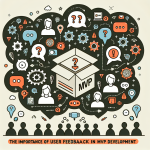
To scale effectively, ensure your product meets market needs. User feedback should constantly inform product development, leading to regular updates and enhancements. Adopting an agile development approach can facilitate quick iterations based on user input, helping you stay competitive and agile.
MVP Approach
For startups, developing a Minimum Viable Product (MVP) is an effective way to launch without overextending resources. By focusing on core functionalities that resonate with your target audience, you can validate your ideas and expand features based on customer feedback. If you’re considering developing an MVP, Celestiq has extensive experience in helping businesses create tailored MVP solutions that cater to their specific market niches. Learn more about our MVP development services here.
2. Focus on Customer Acquisition
Content Marketing
Establishing your brand as a thought leader in your niche can significantly enhance your credibility and draw customers. Leverage content marketing strategies—blogs, eBooks, webinars, and videos—to provide value beyond your product, driving organic traffic and customer engagement.
Paid Advertising
While organic strategies have long-term benefits, paid advertising, such as Google Ads or social media campaigns, can yield immediate results. Targeted ads can help you reach prospective customers efficiently. A/B testing different ad strategies can also help you identify which approaches yield the best conversion rates.
3. Improve Customer Retention
Customer Engagement Strategies
Retaining customers is often more profitable than constantly acquiring new ones. Implement customer engagement strategies like onboarding programs, regular check-ins, and user training sessions to foster a strong relationship with your clients.
Feedback Loops
Integrate feedback loops into your product. Regular surveys to gauge customer satisfaction and suggestions for improvements can both enhance user experience and boost retention.
Personalization
Personalize customer experience as much as possible. Tailored communications, recommendations based on user behavior, and customized training can make customers feel valued, significantly reducing churn rates.
4. Scale Your Infrastructure
Cloud Solutions
Utilizing cloud infrastructure can provide the scalability needed for growing your SaaS application. Services like AWS, Azure, and Google Cloud offer flexible pricing and allow you to scale resources based on demand seamlessly. This way, you won’t pay for unused capacity but will have the necessary resources available as your user base expands.
Performance Monitoring
Regularly assess your system’s performance and stability. Tools like New Relic, Google Analytics, and other performance monitoring solutions can help you identify bottlenecks or underperforming areas in your application, allowing you to address issues proactively.
5. Build a Strong Team
Hiring for Growth
As you scale, the need for new talent will arise. Focus on hiring individuals who not only have the skills required but also align with your company culture. Look for candidates who show adaptability and are excited about driving growth.
Training and Development
Investing in your team’s continuous learning is essential. Whether through regular workshops, conferences, or access to online courses, enhancing your team’s skills can significantly contribute to the overall growth of your SaaS business.
6. Expand Your Market
Vertical Markets
Identify niche markets within your broader target audience. Tailoring your solution to specific industries can create additional revenue streams and position your product as a specialized solution, appealing to potential customers looking for tailored solutions.
International Expansion
Consider international markets if local growth saturates. Research different regions to understand cultural, economical, and technological differences that may impact user behavior. Adapting your product to meet local needs can tap into significant growth potential.
7. Maintain Financial Health
Pricing Strategies
Implement effective pricing strategies, including tiered pricing or usage-based pricing, to maximize revenue. As your user base grows, reassess your pricing models to ensure they reflect value and market demands.
Budget for Growth
Allocate a budget for growth initiatives wisely. While it’s essential to invest in development and acquisition, ensure that you have a cushion to handle unexpected expenses that may arise during scaling.
Conclusion
Scaling your SaaS business can feel overwhelming, but with the right strategies in place, it can also be one of the most rewarding aspects of entrepreneurship. By focusing on your product, customer acquisition, retention strategies, infrastructure, team building, market expansion, and financial health, you can pave the way for sustainable growth.
At Celestiq, we pride ourselves on helping businesses navigate these challenges through our tailored development services. Whether you’re looking to optimize your existing platform or develop a robust MVP, we are equipped to guide you through every step of the growth journey. Explore our custom software development services to learn how we can assist your SaaS growth.
Scaling a SaaS business is not merely about increasing the number of users but also about evolving and adapting to the changing landscape. With a strategic focus on your mission and a commitment to customer satisfaction, you’ll find that growth is not only possible but inevitable. Embrace the journey, and your SaaS venture can scale heights once only dreamed of.